
The Journey of Plastic: Understanding Sprues, Runners, and Gates
By Ichiplas Tooling Team · Oct 2025 · Reviewed by the Ichiplas engineering team
We've covered the machine that provides the heat and pressure. Now, let's focus on what happens the moment that molten plastic leaves the machine's nozzle.
It begins a critical, high-speed journey through a custom delivery system machined directly into your mold. How this system is designed impacts everything from part quality and cosmetics to cycle time and material cost.
This system consists of three main parts: the sprue, the runner, and the gate. Think of it like the plumbing in a house: a large main pipe feeding smaller branch pipes that lead to the final fixture.
1. The Sprue: The Main Entrance
The sprue is the primary channel that allows molten plastic to travel from the machine's nozzle into the mold tool itself. It's typically a conical channel that tapers down, allowing the solidified “sprue bushing” to be pulled out easily when the mold opens.
Its only job is to get the plastic from Point A (the machine) to Point B (the runner system) cleanly and efficiently. For a simple, single-cavity mold, the sprue might feed directly into the part, but that's uncommon for production parts. More often, it feeds into the distribution network: the runner.
2. The Runner System: The Distribution Network
If you're making more than one part at a time (in a multi-cavity tool) or your part is large and needs to be filled from a specific point, you need a runner system. These are channels machined into the mold face that distribute the molten plastic from the single sprue to the various entry points of the part cavities.
The design of these runners—their diameter, length, and layout—is a science. They must be large enough to allow the plastic to flow without freezing prematurely, but not so large that they waste material and extend cooling time. A poorly designed runner can lead to inconsistent filling, pressure drops, and defects in the final parts.
3. The Gate: The Final Entry Point
The gate is the most critical part of this entire system from a cosmetic and quality standpoint. It's the small, restricted opening that connects the end of the runner to the actual part cavity.
The gate has several important jobs:
- Controls Flow: Its small size helps control the flow rate and pressure of the plastic as it enters the cavity.
- Easy Separation: It creates a deliberate weak point, so the runner system can be easily trimmed or snapped off the finished part.
- Prevents Backflow: It freezes off quickly, preventing plastic from flowing back out of the cavity as the part cools.
The location and type of gate are decisions we make with our clients during the design review. Why? Because every gate will leave a small mark, or “vestige,” on the final part. Placing that gate on a non-cosmetic surface is a key part of the design-for-manufacturing process.
The “Waste” That Isn't Wasted
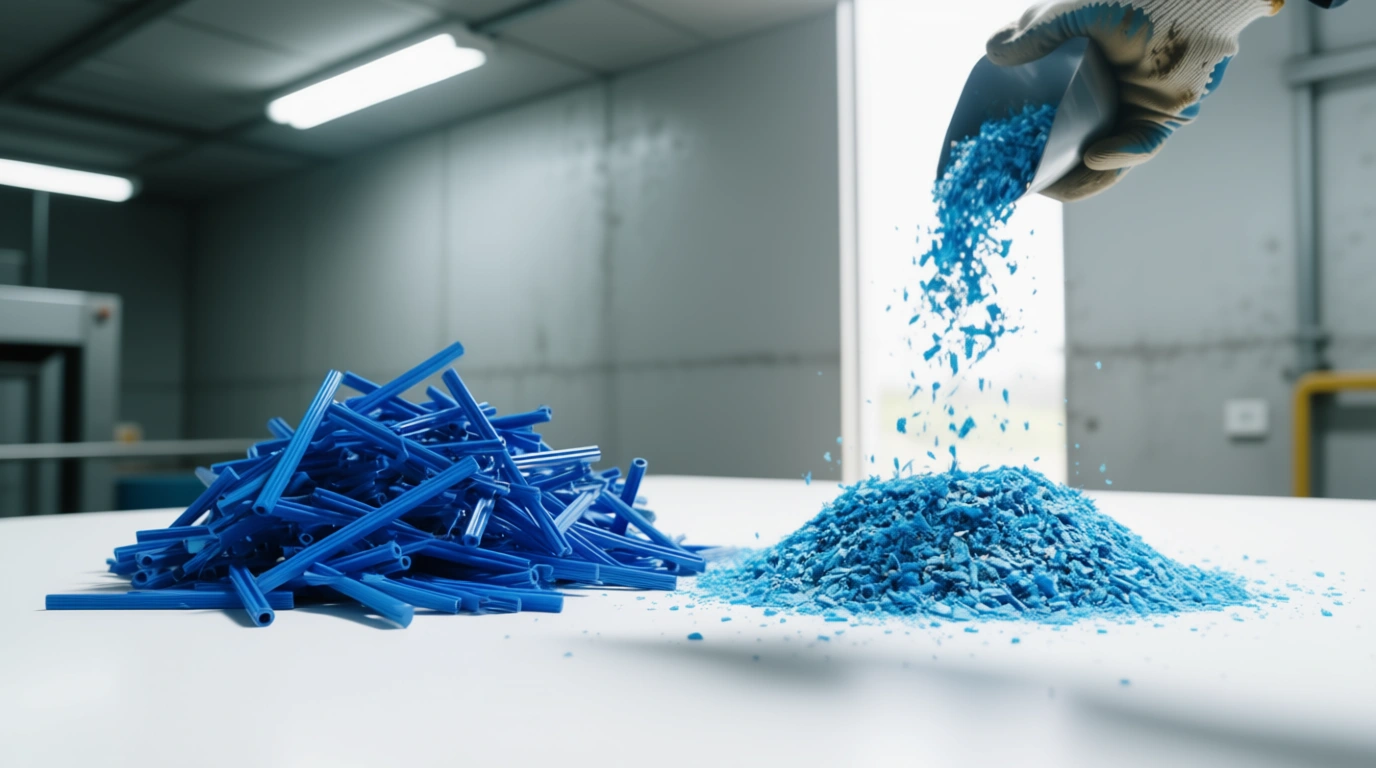
After the injection cycle, the plastic in the sprue, runners, and gates solidifies along with the part. This entire assembly is ejected, and the runner system must then be separated. While this material can sometimes be ground up and recycled (called “regrind”), it still represents a cost in cycle time and handling. For very high-volume projects, more advanced hot runner systems can be used to eliminate this waste, a topic we'll explore in more detail later.
What's Next?
This entire delivery system is housed within the most critical component of the entire process: the mold tool itself. In our next article, An Introduction to the Mold Tool: The Heart of Injection Molding, we'll look at the complex, precision-engineered steel that makes it all possible.
Getting your design ready for production can feel complex. Our team in Johor Bahru lives and breathes this process every day. If you want to ensure your design is optimized for manufacturing from the start, reach out to us. We're here to help.
Get Free Quote
Contact us today to learn more about our services and how we can help you with your next project.