
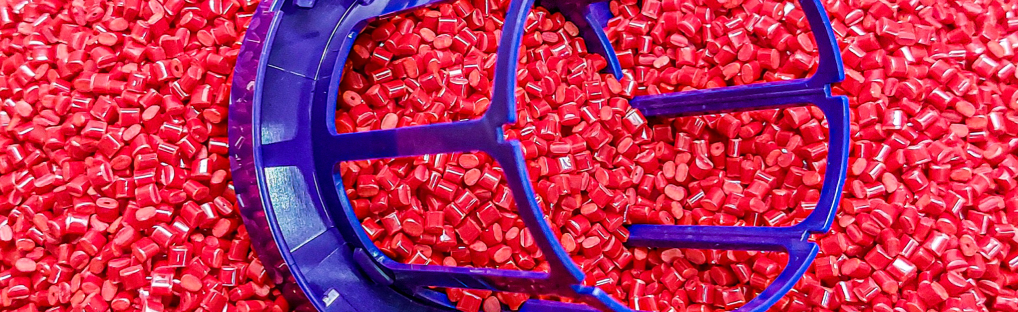
Plastic Injection Molding in Malaysia
Plastic injection molding is a process in which molten plastic is injected into a steel mold, cooled and ejected as a finished part. Ichiplas provides custom injection moulding from Johor Bahru, Malaysia on 50–360 tonne presses, holding tolerances of ±0.05 mm across volumes from 3,000 to 15 million pieces a year, under an ISO 9001:2015 quality system.
Capability at a glance
- Clamping force
- 50–360 tonnes
- Tolerance
- ±0.05 mm (±0.002 in)
- Volume range
- ~3,000 pcs to ~15 million pcs per year
- Quality certification
- ISO 9001:2015
Our Expertise
With years of experience in the industry, Ichiplas has honed its skills in producing precision plastic parts for a wide range of applications. Our state-of-the-art facility and advanced equipment allow us to offer fast turnaround times and competitive pricing while maintaining strict quality control measures.
Our machines offer a tonnage range of 50–360 tonnes, allowing us to handle a wide variety of part sizes and complexities. Our plastic parts are utilized in a myriad of industries, including:
- Consumer Products
- Medical Devices
- Automotive
- Renewable Energy Sectors
With Ichiplas, you get a combination of expertise, innovation, and commitment to quality and sustainability that is unparalleled in the industry. From concept to finished product, we are dedicated to providing superior service and exceptional quality to our customers.
Injection Moulding Near Singapore
Ichiplas is a plastic injection moulding supplier in Ulu Tiram, Johor Bahru, about 20 minutes from the Singapore border. Singapore and Johor companies get Malaysian moulding costs from a supplier in the same time zone that they can visit the same week, without an overseas supply chain.
- From Singapore
- ~20 min
- Time zone
- GMT+8
- Site visits
- Same week
- Enquiry reply
- Next business day
Being close changes how a programme runs. DFM reviews, T1 sample approvals and production audits happen at the press rather than over video, engineering changes are agreed face to face, and finished parts reach Singapore by road with no sea or air freight leg.
For Plastic Injection Manufacturing
Plastic Materials
We work with a wide range of materials to suit various application needs. Every material has its own unique properties and advantages. Our expert team can help you select the ideal resin for your specific product requirements, ensuring optimal performance and cost-effectiveness. Some common materials include:
- Polypropylene (PP)
- Polyethylene (PE)
- Acrylonitrile Butadiene Styrene (ABS)
- Polystyrene (PS)
- Polycarbonate (PC)
- Polyamide (Nylon)
- Polyoxymethylene (POM)
- Thermoplastic Elastomers (TPE)
- Polyethylene Terephthalate (PET)

The Injection Molding Process
Injection molding is widely recognized as the most cost-effective method for producing plastic parts at scale. This process involves:
- Injection
- Injecting molten plastic into a precisely engineered mold tool.
- Cooling
- Allowing the plastic to cool and solidify within the mold.
- Ejection
- Ejecting the solidified plastic part.
- Repetition
- Repeating this cycle hundreds or thousands of times.

Your Ideal Partner
Why Ichiplas is your ideal partner for Plastic Injection Molding
- Competitive Pricing
- Years of experience in manufacturing enable us to optimise processes and minimise time and wastage to give our customers competitive prices.
- Consistent Quality
- Rigorous quality control processes to ensure quality is consistent across every part produced.
- Fast Turnaround
- Our flexible operations and production lines support fast turnaround times, meeting the demanding schedules of our clients.
- Customizable Options
- Injection molding offers the greatest range of materials, colors, surface textures, cosmetic finishes, and polishes when compared to 3D printing or CNC machining, allowing for highly customized products.
Related Guides
Frequently Asked Questions
- What is plastic injection molding?
- Plastic injection molding is a manufacturing process in which molten thermoplastic is injected under pressure into a steel mold, cooled until solid, and ejected as a finished part. Because the same tool is reused for every shot, it is the most cost-effective way to produce identical plastic parts at volume. Ichiplas runs 50–360 tonne presses in Johor Bahru, Malaysia, holding tolerances of ±0.05 mm.
- What tolerances can Ichiplas hold on injection molded parts?
- We hold ±0.05 mm (±0.002 in) on critical dimensions. What is achievable on a given feature depends on part geometry and resin shrinkage: glass-filled and semi-crystalline resins such as GF nylon or POM shrink more than PC or ABS and may need wider windows. We confirm achievable tolerances during DFM review before the mold is cut.
- What is the minimum and maximum production volume?
- Ichiplas supports mass production runs from roughly 3,000 pieces up to around 15 million pieces per year. Lower volumes are best served by our prototyping and low-tier tooling options, where a simpler aluminium or single-cavity steel tool keeps the upfront cost proportionate to the quantity. High-volume programmes use multi-cavity hardened tooling to bring the per-part price down.
- Which plastics can you injection mold?
- We mold ABS, PP, PE (HDPE and LDPE), PS/HIPS, PC, PC/ABS, PBT, POM, PMMA, PET, nylons (PA6 and PA66), SAN, ASA, glass-filled grades such as GF nylon and GF PBT/PP, and elastomers including TPE, TPU and TPV. Our engineering team advises on resin selection based on mechanical load, operating temperature, chemical exposure, cosmetic requirements and cost.
- What machine sizes does Ichiplas have for injection molding?
- Our press floor covers a clamping-force range of 50 to 360 tonnes, which suits small precision components through to medium-sized housings and enclosures. Machine selection is driven by projected area and required clamp tonnage rather than part weight alone, and we size the press during quoting so you are not paying for more tonnage than the part needs.
- How long does injection mold tooling take?
- Lead times vary by complexity: a simple single-cavity mold typically takes 4–6 weeks, a mid-complexity multi-cavity mold 6–10 weeks, and a complex high-cavity or advanced mold 10–14 weeks. Pilot-run samples and any mold modifications follow before production release. Ichiplas provides a lead time estimate with every quotation.
- How far is Ichiplas from Singapore?
- Ichiplas is in Ulu Tiram, Johor Bahru, Malaysia, about 20 minutes from the Singapore border and in the same time zone (GMT+8). Singapore customers can be on our factory floor the same week for DFM reviews, T1 sample approvals or production audits, and parts reach Singapore by road with no sea or air freight leg.
- Do you supply injection moulded parts to Singapore companies?
- Yes. Singapore is one of our main markets alongside the United States, Malaysia and Europe. Singapore and Johor buyers get Malaysian injection moulding costs from a supplier close enough for same-week site visits, with 50–360 tonne press capacity and an ISO 9001:2015 quality system.
Project Examples
Our showcase exemplifies the consistent excellence that defines Ichiplas. From the smallest parts to complex assemblies, we maintain the same high standards across all our products, ensuring you receive nothing short of the best, every single time.
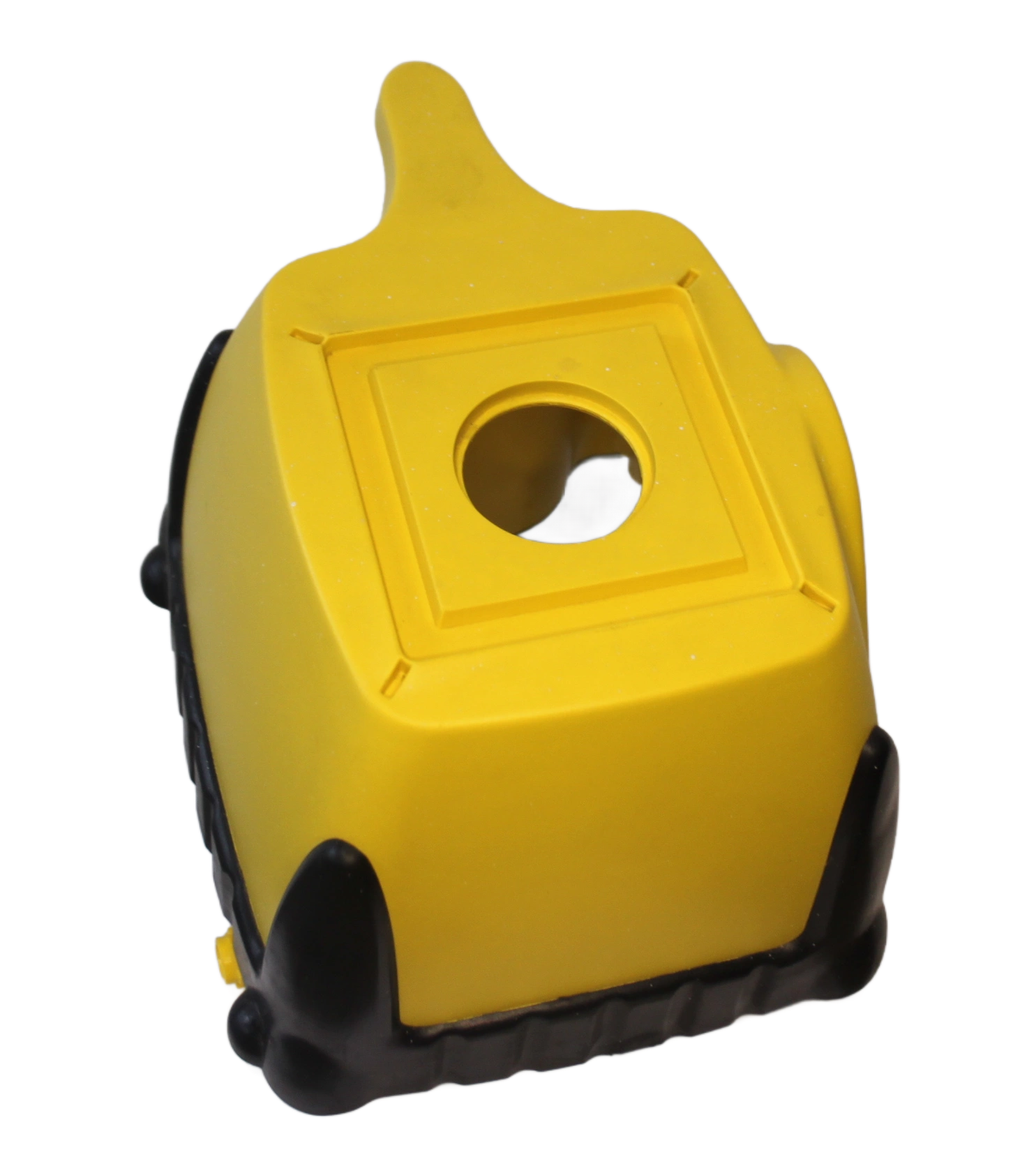
Overmolded Electronics Casing
A highly complex double overmolded casing.
Process: Double overmolding process and insert molding with magnet
Materials: PA66 with TPU
Dimensions: Outer diameter: 20cm, Height: 18cm
Applications: Electronics casing and assembly
Advantages: Fire-rated for integrated charging, magnetic quick-release capability
Key Features:
- Complex multi-material cosmetic design
- Integrated magnet for secure fitting
Get Free Quote
Contact us today to learn more about our services and how we can help you with your next project.