
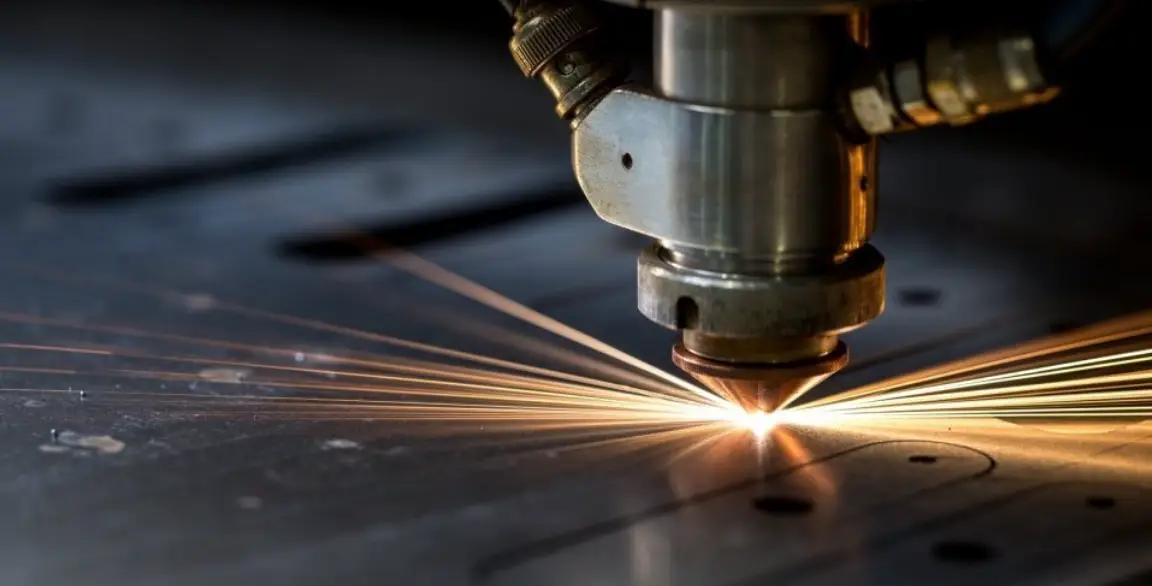
Injection Mold Design & Fabrication in Malaysia
Mold design and fabrication is the process of engineering and machining the steel tool that shapes every moulded part. Ichiplas designs and builds injection moulds in-house in Johor Bahru, Malaysia — typically 4–6 weeks for a simple single-cavity tool and 10–14 weeks for complex tooling — supporting moulded tolerances of ±0.05 mm.
Capability at a glance
- Mold lead time
- 4–6 weeks simple, 6–10 weeks mid-complexity, 10–14 weeks complex
- Molded tolerance
- ±0.05 mm (±0.002 in)
- Press range served
- 50–360 tonnes
- Quality certification
- ISO 9001:2015
Comprehensive Mold Design and Fabrication Services
Good molds ensure your plastic parts are optimised for large-scale injection molding. Our services include:
- Mold design and development
- Prototyping for mold validation
- High-precision mold manufacturing
- Mold maintenance and repair
For Plastic Injection Manufacturing
Types of Molds
- 1. Low/high cavitation
- Ideal for high-volume production, these molds contain multiple identical cavities, producing several pieces in one cycle. High cavitation molds are used for simpler parts, while low cavitation molds are typically used for complex, larger items.
- 2. Unscrewing molds
- Designed with an unscrewing mechanism, this specialty mold is used for making parts with external and internal threads, such as bottle caps and threaded fittings.
- 3. Core puller molds
- These molds are designed with a mechanism that allows for more complex shapes. The core puller allows parts of the mold to be pulled away to create openings or undercuts.
- 4. Family mold
- Family molds produce multiple different parts in the same molding cycle. They're ideal for creating components of an assembly simultaneously, reducing production time and cost.
- 5. Insert molding
- This advanced technique involves injecting plastic around an insert piece, usually made of metal, resulting in a single assembled piece. It is often used in manufacturing parts that need reinforced structure.
- 6. Overmolding
- Overmolding, one of the areas that Ichiplas specialises in, involves injecting a layer of plastic over an existing part that is usually made of different materials. This technique enhances the part's features, adding comfort, aesthetics, and function.
- 7. Cold runner molds
- These molds have a two-part molding system where the plastic is injected into the mold through the sprue and then cooled. It's a cost-effective method that is ideal for short production runs.
- 8. Hot runner molds
- Hot runner molds are designed with a heated system that keeps the plastic in a molten state. This design reduces waste, improves efficiency, and is ideal for high-volume, high-quality production runs.
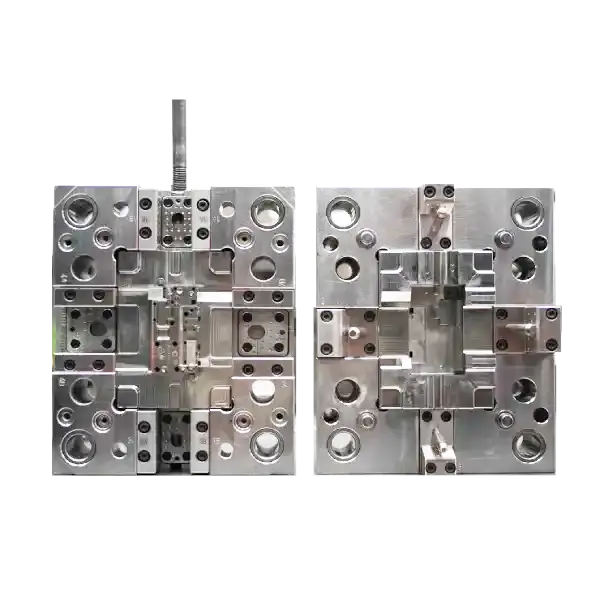
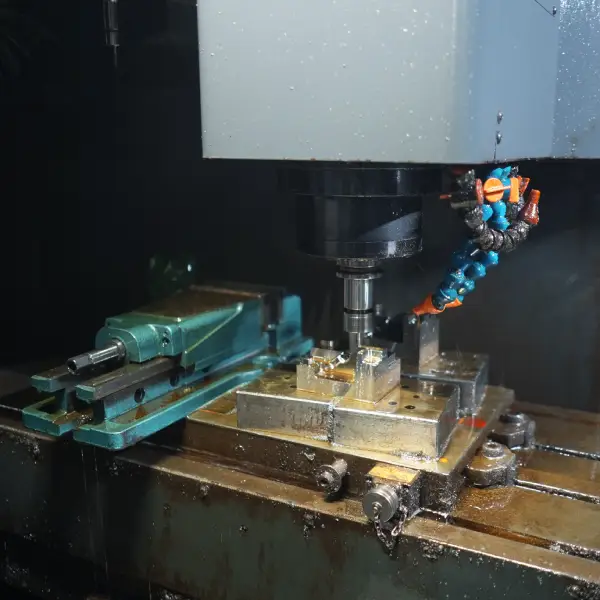
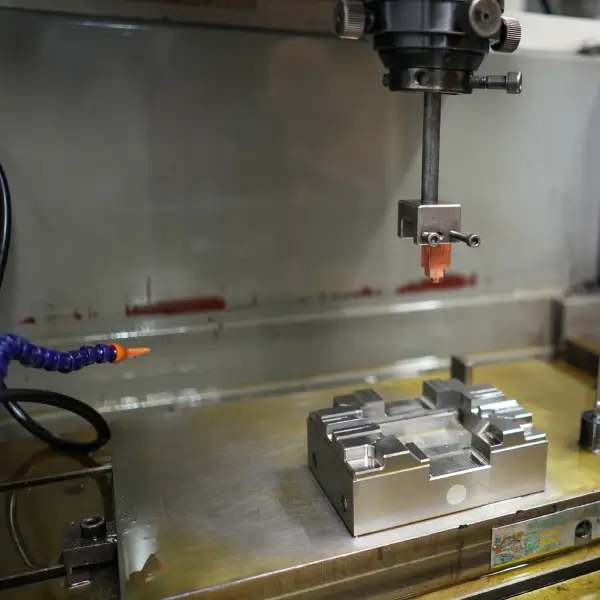
Our Mold Design and Fabrication Process
- Consultation
- We work closely with clients to understand their specific needs and project requirements.
- Design
- Our expert team creates detailed mold designs, optimized for efficiency and quality.
- Prototyping
- We develop prototypes to validate the mold design before full-scale production.
- Fabrication
- Using state-of-the-art technology, we manufacture high-precision molds.
- Quality Control
- Rigorous testing ensures each mold meets our high standards and client specifications.
- Delivery and Support
- We provide timely delivery and ongoing support for all our molds.
Your Ideal Partner
Why Ichiplas is your ideal partner for Mold Design and Fabrication
- Industry Expertise
- Years of experience in designing and manufacturing high-quality molds.
- Customisation
- Tailored solutions to meet specific client requirements.
- Quality Assurance
- Rigorous quality control processes to ensure superior mold performance.
- Customer Support
- Dedicated team providing exceptional service and long-term support.
Who owns the tool?
You do. A mould you have paid for in full is your property, and we put that in writing before cutting steel — buyers moving production overseas for the first time are right to ask, and a supplier who is vague about it is telling you something.
- Title passes on final payment. Once the tooling invoice is settled, the mould is yours, including the CAD and the tool drawings.
- The tool stays with us while you run production. We store, maintain and service it at our own cost for as long as it is in active production with Ichiplas.
- You can take it with you. If you move the programme, we release the mould on request. You cover crating and freight; we do not hold tooling hostage to win a renegotiation.
For the wider picture on protecting designs and tooling when manufacturing overseas, see our guide on IP protection in overseas manufacturing.
Related Guides
Frequently Asked Questions
- How much does a custom injection mold cost?
- Injection mold costs range from approximately USD 4,300 for a simple single-cavity prototype mold to over USD 141,000 for complex multi-cavity production molds. The main cost drivers are part complexity, number of cavities, steel grade, and surface finish requirements. For a detailed breakdown, see our tooling cost guide.
- How long does it take to build an injection mold?
- Lead times vary by complexity: a simple single-cavity mold typically takes 4–6 weeks, a mid-complexity multi-cavity mold takes 6–10 weeks, and a complex high-cavity or advanced mold can take 10–14 weeks. At Ichiplas, we provide a lead time estimate with every quotation and keep you updated throughout fabrication.
- What is the difference between a hot runner and cold runner mold?
- A cold runner mold lets plastic solidify in the runner channels each cycle, creating waste that must be recycled or discarded. A hot runner mold keeps plastic molten to the gate, eliminating runner waste and shortening cycle times — but adds USD 2,500–35,000 to the mold cost. Hot runners are generally justified for multi-cavity molds, expensive resins, or high-volume production.
- Do you offer mold design review (DFM) before fabrication?
- Yes. Every project at Ichiplas begins with a design-for-manufacturing (DFM) review and mold flow simulation. This analysis identifies potential issues — such as insufficient draft angles, uneven cooling, or problematic gate locations — before any steel is cut. DFM review is included as standard practice, regardless of the tooling tier.
- Can you build molds for overmolding and insert molding?
- Yes. Our in-house tool shop fabricates molds for overmolding (multi-material), insert molding (embedding metal or electronic components), family molds, unscrewing molds, and core-puller molds. For advanced features like conformal cooling or optical-grade polishing, our engineering team leads the process with specialised equipment from our validated partners.
- Who owns the injection mold — Ichiplas or the customer?
- You do. Once the tooling invoice is paid in full, the mould is your property, along with the tool CAD and drawings, and we confirm that in writing before cutting steel. The tool stays at our facility while it is in active production with us, and we store and maintain it at our cost. If you move the programme elsewhere, we release the mould on request and you cover crating and freight. Tool ownership is a question worth asking any overseas supplier before you commit.
- Do injection molds require ongoing maintenance?
- Yes. Molds require periodic maintenance to ensure consistent part quality and maximise tool life. This includes cleaning cooling channels, inspecting ejector pins and slides, replacing worn components, and re-polishing cavity surfaces. At Ichiplas, we offer mold maintenance programmes and can advise on maintenance intervals based on production volume and material type.
Get Free Quote
Contact us today to learn more about our services and how we can help you with your next project.