
Common Mistakes First-Time Importers Make When Sourcing Injection Molded Parts
By Daniel Tan, Sourcing & Commercial Lead · Jan 2026 · Reviewed by the Ichiplas engineering team
Sourcing injection molded parts from an overseas supplier for the first time is a significant step. Here's how to avoid the mistakes that cost time, money, and credibility.
Working with an overseas injection molding supplier for the first time can be a highly effective way to reduce costs, access specialist capabilities, and scale production. But the process involves more steps, more variables, and more coordination than most first-time importers expect. The mistakes that cause the most damage are rarely dramatic — they're quiet gaps in the buyer's process that compound over weeks and months.
This article covers the most common mistakes we see from first-time importers — and what to do instead. These are not theoretical risks. They are patterns we have observed repeatedly across hundreds of projects, and every one of them is avoidable with the right preparation.
Mistake 1: Choosing a Supplier Purely on Quoted Price
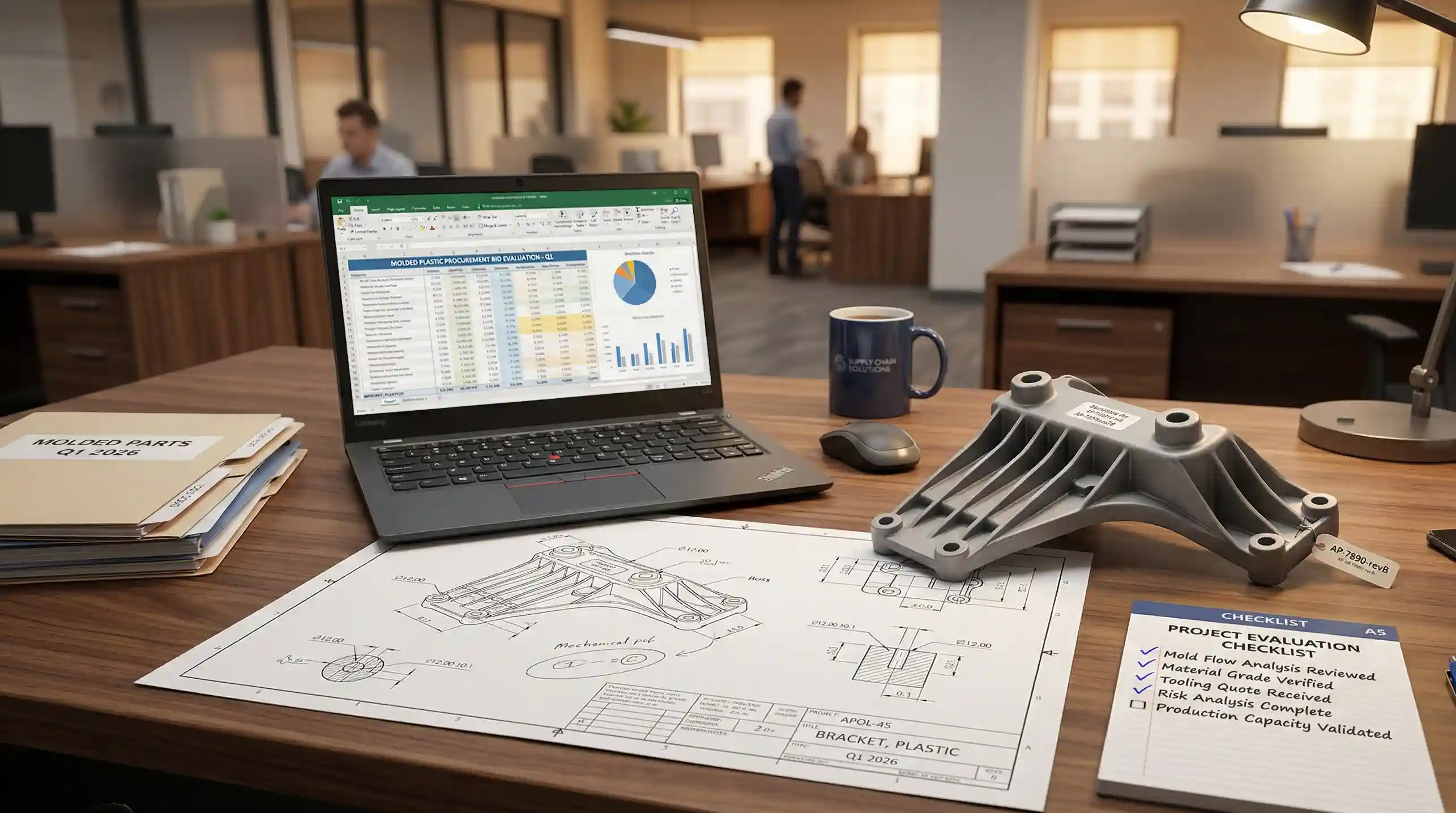
The most common mistake — and the most consequential — is selecting a supplier based primarily on who submits the lowest quote. Price matters, of course. But in injection molding, the quoted price is only meaningful if the supplier can actually deliver parts that meet your specifications, on time, and without excessive rework. A low quote from a supplier who lacks the technical capability, quality systems, or communication responsiveness to execute your project will cost you far more in the long run than a slightly higher quote from a competent partner.
What to do instead: Evaluate suppliers on a combination of factors: technical capability (do they have experience with your material and part complexity?), quality systems (are they ISO certified? do they provide dimensional inspection reports?), communication responsiveness (how quickly and clearly do they respond to technical questions?), and references (can they provide examples of similar projects?). Price should be one factor in the decision, not the only factor.
Mistake 2: Not Providing Complete and Final 3D Files
Tooling is machined directly from your 3D data. If the file you provide is not final — if dimensions are approximate, features are missing, draft angles have not been applied, or revisions are still pending — the mold will be built to incorrect geometry. Correcting a mold after steel has been cut is expensive and time-consuming, often adding weeks to the schedule and thousands of dollars in modification costs. We regularly see projects delayed because the buyer sent a “close enough” file with the intention of finalising details later.
What to do instead: Treat the 3D file you send for tooling as a released engineering document. It should be the final, approved revision with all features, tolerances, and draft angles included. Accompany it with a 2D drawing that calls out critical dimensions, tolerances, surface finish requirements, and material specification. If your design is not yet final, say so — a good supplier will work with you on DFM feedback before tooling begins, but they need to know where you are in the design process.
Mistake 3: Not Requesting Dimensional Inspection Reports
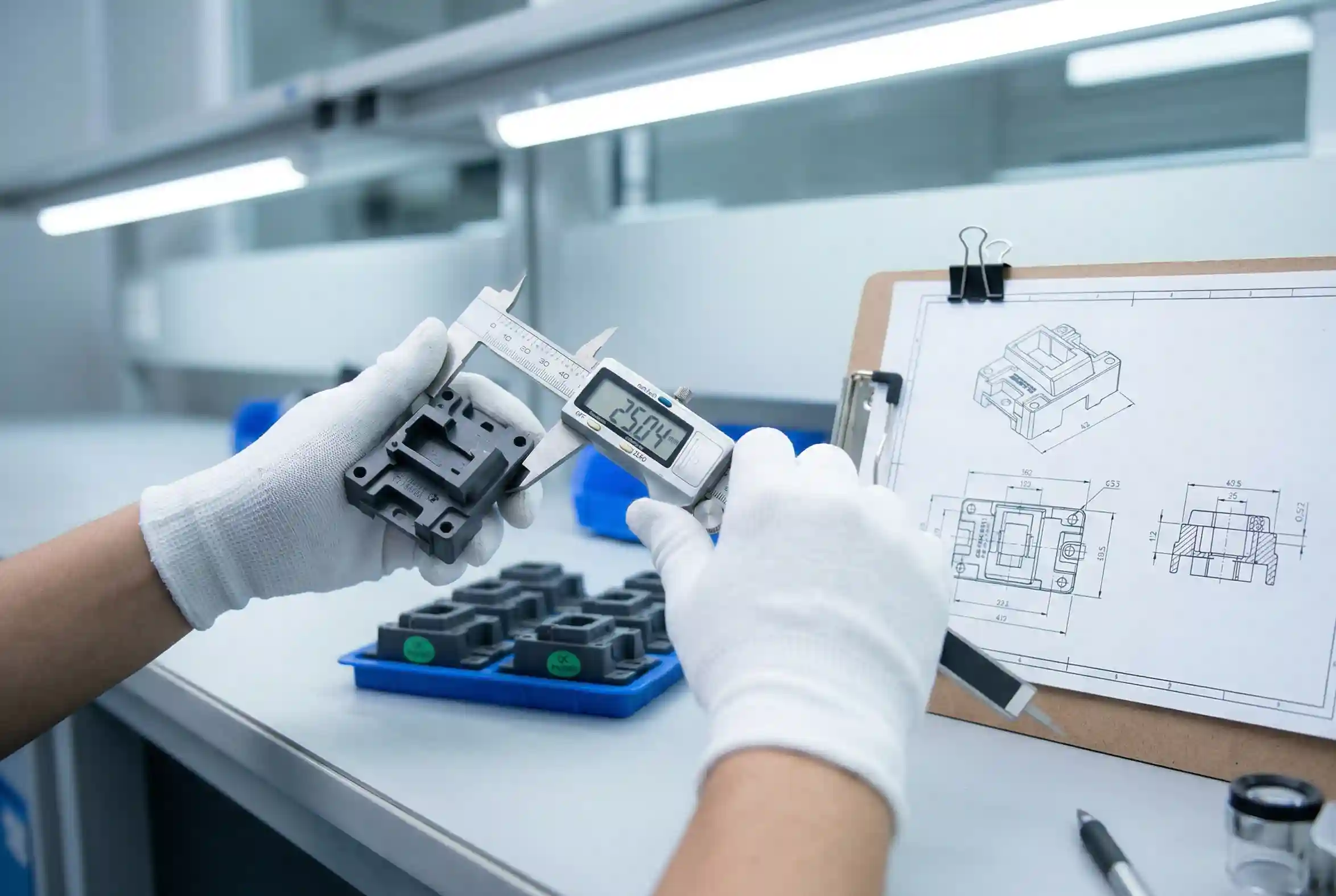
Many first-time importers approve T1 samples based on visual inspection alone — the part looks right, so they sign off. This is a mistake. A part can look correct and still be out of tolerance on critical dimensions that affect fit, function, or assembly. Without a dimensional inspection report (typically produced using a CMM or optical measurement system), you have no objective evidence that the part meets your drawing specifications.
What to do instead: Request a full dimensional inspection report with every T1 sample submission. The report should measure all critical dimensions called out on your 2D drawing and compare them against the nominal and tolerance values. Review the report carefully before approving production. If any dimensions are out of tolerance, discuss corrective actions with your supplier before proceeding. This is your last practical opportunity to catch dimensional issues before thousands of parts are produced.
Mistake 4: Underestimating Lead Times
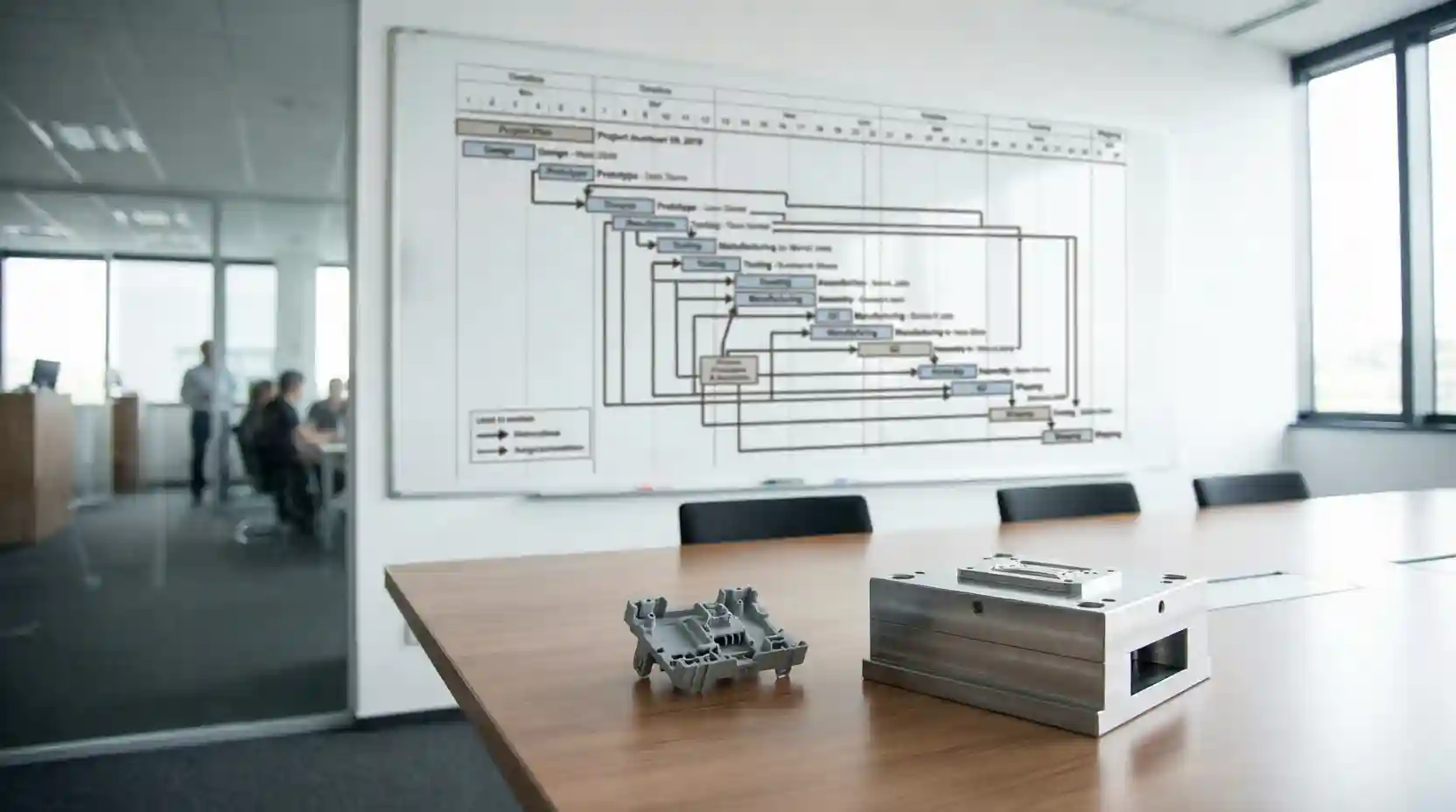
First-time importers frequently underestimate how long the full process takes — from order confirmation to parts arriving at their door. A realistic timeline for a new injection molding project includes 4–8 weeks for mold fabrication, 1–2 weeks for T1 sampling and approval, 2–4 weeks for production, and 3–5 weeks for sea freight shipping. In total, first-article delivery typically takes 10–19 weeks. Many first-time importers commit to product launch dates or customer delivery schedules that do not account for this timeline, creating unnecessary pressure on the supplier and on themselves.
What to do instead: Build a realistic project timeline before you commit to any external deadlines. Account for every stage: tooling fabrication, T1 sampling and approval (including time for you to review samples and reports), production, packaging, and shipping. Add buffer for the unexpected — because something unexpected will happen. For a detailed breakdown of shipping timelines and options, see our guide on shipping from Malaysia to the US.
Mistake 5: Not Accounting for Material Lead Times
Not all plastic resins are available off the shelf. Specialty grades — including flame-retardant compounds, medical-grade materials, and specific colour-matched formulations — can have lead times of 4–8 weeks or more, depending on the resin supplier and the order quantity. If you assume your material will be available immediately when production is scheduled to start, you may find your mold sitting idle while waiting for resin to arrive.
What to do instead: Confirm material availability and lead time with your supplier early in the project — ideally before tooling begins. If the material has a long lead time, discuss whether it makes sense to pre-order resin in parallel with mold fabrication. For standard materials (ABS, PP, PC, Nylon), availability is usually not an issue. For specialty compounds or specific colour formulations, always check.
Mistake 6: Not Sending a Physical Colour Standard
Colour matching from a digital image or a Pantone reference alone is unreliable. Screens display colours differently depending on calibration, and Pantone references describe ink on paper — not plastic. The same Pantone colour can look noticeably different when produced in ABS versus polypropylene, or in a gloss finish versus a matte texture. If you approve a colour based on a screen image and the production parts look different, the problem started with the specification, not the supplier.
What to do instead: Send a physical colour standard to your supplier — ideally a sample of the actual material in the actual finish you want. If that is not available, a colour chip from a paint supplier or a previously produced part in the target colour is the next best option. Your supplier will use this physical reference to formulate or match the colour compound, and you will receive colour samples for approval before production begins.
Mistake 7: Ignoring Packaging Requirements Until Shipment
Packaging is often treated as an afterthought — something to figure out once the parts are ready. This is a mistake because packaging affects shipping cost, damage rates, and warehouse handling at the destination. Parts that arrive scratched, scuffed, or jumbled together because of inadequate packaging create additional sorting, inspection, and rejection costs that could have been avoided.
What to do instead: Define your packaging requirements early — ideally during the quoting stage. Specify how parts should be oriented, separated, and protected. Indicate whether you need individual poly bags, foam inserts, tray packing, or bulk packaging. Specify carton sizes and maximum carton weights that are compatible with your warehouse handling. Your supplier can factor packaging costs into the quote and design the packaging solution in parallel with tooling, so it is ready when production completes.
Mistake 8: Changing Specifications After Tooling Has Started
Design changes after tooling has begun are one of the most expensive mistakes in injection molding. Once steel cutting has started, any modification — even one that seems minor — can require re-machining, re-programming, or in some cases scrapping the mold entirely and starting over. The cost is not just financial: every change resets the timeline, pushes out delivery dates, and introduces risk of errors in the rework process.
What to do instead: Treat the tooling approval as a design freeze point. Before you authorise mold fabrication, make sure every stakeholder — engineering, product, marketing, quality — has reviewed and signed off on the final 3D model and 2D drawing. If there is any possibility that the design may change, delay tooling until the design is truly final. The cost of waiting a week to finalise the design is far less than the cost of modifying a mold mid-fabrication.
A Better Approach
Every mistake on this list is avoidable. The common thread is preparation: taking the time to finalise your design, define your requirements, understand the timeline, and choose a supplier based on capability rather than price alone. First-time importing does not have to be a painful experience. With the right preparation and the right partner, it can be a straightforward, predictable process that delivers exactly what you need.
If you're preparing to source injection molded parts for the first time and want to start on the right foot, send us your 3D CAD files and project requirements via our contact page. We respond to all enquiries by the next business day with an initial review covering DFM feedback, tooling cost estimate, unit pricing, and lead time — at no cost and with no obligation.
Frequently Asked Questions
What is the most common mistake first-time importers make when sourcing injection molded parts?
The most common mistake is choosing a supplier based purely on quoted price without evaluating their technical capability, communication responsiveness, quality systems, or track record with similar parts. A low quote means nothing if the supplier cannot deliver parts that meet your specifications on time and without excessive rework.
Why is it important to send final 3D files before tooling begins?
Tooling is machined directly from your 3D data. If the file is not final — if dimensions are approximate, features are missing, or revisions are still pending — the mold will be built to incorrect geometry. Correcting a mold after steel has been cut is expensive and time-consuming, often adding weeks to the schedule and thousands of dollars in modification costs.
What is a T1 sample report and why should I request one?
A T1 sample report is a dimensional inspection report produced from the first samples off a new mold. It compares the actual measured dimensions of the molded part against the nominal dimensions and tolerances specified in your 2D drawing. Requesting this report — and reviewing it carefully before approving production — is one of the most effective ways to catch dimensional issues early, before thousands of parts are produced.
How long does it take to get injection molded parts from an overseas supplier?
A realistic timeline for a new injection molding project includes 4–8 weeks for mold fabrication, 1–2 weeks for T1 sampling and approval, 2–4 weeks for production, and 3–5 weeks for sea freight shipping. In total, first-article delivery typically takes 10–19 weeks from the point of order confirmation. Many first-time importers underestimate this timeline and create unnecessary pressure by committing to launch dates that do not account for the full process.
Can I change the design after tooling has started?
Minor changes may be possible depending on the stage of mold fabrication, but any modification after steel cutting has begun will add cost and delay. Major changes — such as relocating a feature, changing wall thickness, or altering the parting line — may require scrapping the mold and starting over. The best practice is to finalise your design completely before authorising tooling, and to treat the tooling approval as a design freeze point.
How do I get started with Ichiplas?
Send us your 3D CAD files and project requirements through our contact page. We respond to all enquiries by the next business day with an initial review covering DFM feedback, tooling cost estimate, unit pricing, and lead time. No commitment is required to start the conversation.
Get Free Quote
Contact us today to learn more about our services and how we can help you with your next project.