
Introduction to Plastic Materials for Injection Molding
By Ichiplas Design Engineering Team · Jan 2024 · Updated Nov 2026 · Reviewed by the Ichiplas engineering team
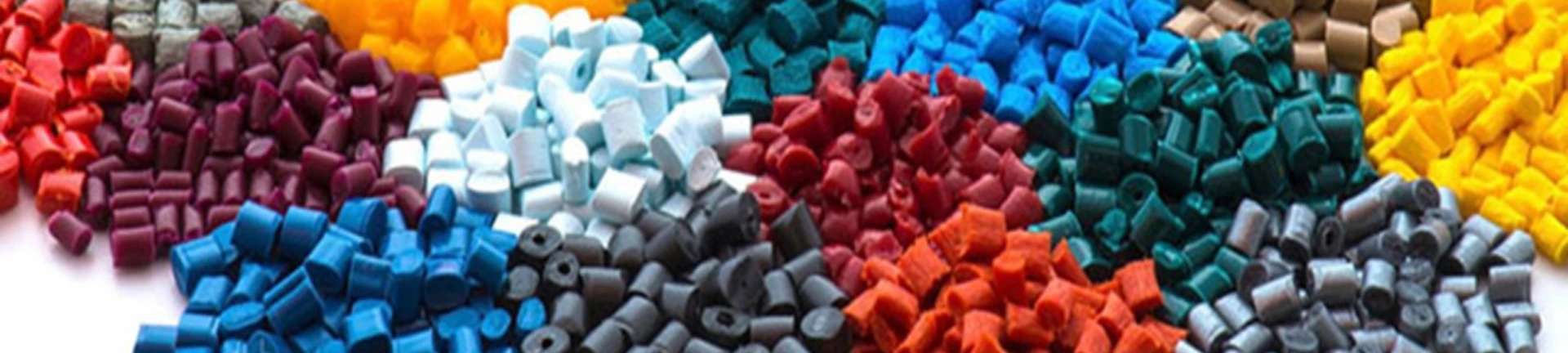
Choosing the right material is essential to ensure product performance, cost-efficiency, and manufacturability. We explore the properties of commonly used plastics and highlight key considerations for selecting materials for injection molding.
Why Material Selection Matters in Injection Molding
Looking for the best plastic materials for your injection molding projects in Johor Bahru, Malaysia?
Selecting the correct plastic is critical for achieving desired characteristics such as durability, flexibility, and chemical resistance. The right material reduces production costs and ensures a smooth manufacturing process, especially for industries such as automotive, electronics, and consumer goods.
For Plastic Injection Manufacturing
Commonly Used Plastic Materials
- 1. ABS (Acrylonitrile Butadiene Styrene)
- Common Properties:Medium chemical resistance, high impact strength, moderate heat resistance, good surface finish
- Applications:Appliance housings, toys, automotive parts.
- Injection Moldable:Yes.
- 2. POM (Polyoxymethylene)
- Common Properties:Excellent dimensional stability, high wear resistance.
- Applications:Gears, bearings, precision parts.
- Injection Moldable:Yes.
- 3. PTFE (Polytetrafluoroethylene)
- Common Properties:Exceptional chemical resistance, non-stick properties.
- Applications:Seals, gaskets.
- Injection Moldable:No (requires sintering).
- 4. HDPE (High-Density Polyethylene)
- Common Properties:High chemical resistance, low density.
- Applications:Containers, pipes, and bottles.
- Injection Moldable:Yes.
- 5. TPE (Thermoplastic Elastomer)
- Common Properties:High flexibility, medium chemical resistance.
- Applications:Grips, seals, overmolded parts.
- Injection Moldable:Yes.
- 6. PP (Polypropylene)
- Common Properties:Excellent chemical resistance, good flexibility, low density.
- Applications:Food containers, automotive parts, and household items.
- Injection Moldable:Yes.
- 7. PC (Polycarbonate)
- Common Properties:High impact strength, excellent clarity, high heat resistance.
- Applications:Eyewear lenses, electronics housings, and automotive components.
- Injection Moldable:Yes.
- 8. PBT (Polybutylene Terephthalate)
- Common Properties:High dimensional stability, good electrical insulation properties.
- Applications:Connectors, automotive components, and electronics.
- Injection Moldable:Yes.
- 9. PETG (Polyethylene Terephthalate Glycol)
- Common Properties:Excellent clarity, good impact resistance, and chemical resistance.
- Applications:Medical devices, packaging, and consumer goods.
- Injection Moldable:Yes.
- 10. Nylon (Polyamide)
- Common Properties:High mechanical strength, wear resistance, and temperature stability.
- Applications:Gears, bushings, and automotive components.
- Injection Moldable:Yes.
Key Factors to Consider When Choosing a Plastic Material
- Application Requirements: Consider impact strength, flexibility, and thermal resistance, and other traits required based on the product’s intended use.
- Manufacturing Efficiency: Materials like PP and ABS are easier to mold and reduce cycle times.
- Cost Efficiency: Balance material cost with performance needs to stay within budget.
- Environmental Considerations: Consider recyclable materials or bioplastics for eco-friendly solutions.
- Aesthetic Requirements: For products requiring transparency or color flexibility, materials like PC and PMMA are ideal choices.
Common Challenges in Material Selection
- Balancing Cost and Performance: Premium materials for high-performance engineering offer excellent properties but come at a higher cost.
- Environmental Conditions: Exposure to UV, moisture, or chemicals may necessitate materials with specific resistances.
- Regulatory Compliance: For food-grade or medical applications, ensure materials meet safety standards.
Processing Data for Common Injection Molding Plastics
Shrinkage drives mold dimensions, drying drives material preparation, and melt temperature drives cycle time and energy. Use these typical values for early planning.
| Material | Typical shrinkage | Needs drying? | Typical melt temperature | Relative cost |
|---|---|---|---|---|
| PP | 1.0 – 2.5% | No | 200 – 270 °C | $ |
| HDPE | 1.5 – 3.0% | No | 210 – 270 °C | $ |
| ABS | 0.4 – 0.7% | Yes | 210 – 260 °C | $$ |
| PETG | 0.2 – 0.5% | Yes | 220 – 260 °C | $$ |
| TPE | 0.5 – 2.0% (grade dependent) | Usually | 180 – 230 °C | $$ |
| POM (acetal) | 1.8 – 2.5% | Usually not | 190 – 220 °C | $$ |
| PBT | 1.5 – 2.0% | Yes | 240 – 270 °C | $$ |
| PC | 0.5 – 0.7% | Yes | 280 – 320 °C | $$$ |
| Nylon (PA6 / PA66) | 0.8 – 1.5% | Yes | 240 – 300 °C | $$$ |
| PTFE | — | — | Not injection moldable | — |
Typical values for unfilled grades. Glass filling cuts shrinkage sharply (often to 0.2–0.5%) but makes it directional. Always use the datasheet for the exact grade.
Frequently Asked Questions
What is the most common plastic used in injection molding?
By volume, polypropylene (PP) is the most widely injection molded plastic, followed by polyethylene, ABS and polystyrene. PP is cheap, chemically resistant, easy to process and suitable for food contact, which makes it the default for containers, closures, automotive interior parts and household goods.
What is the cheapest plastic for injection molding?
Commodity resins such as polypropylene (PP), polyethylene (PE) and polystyrene (PS) are the cheapest per kilogram. The cheapest part overall also depends on cycle time, scrap rate and wall thickness, so a slightly more expensive resin that runs faster can sometimes give a lower unit cost.
Which plastics need to be dried before molding?
Hygroscopic plastics that absorb moisture from the air must be dried before molding, including nylon (PA), PC, PBT, PET, PETG, PMMA and ABS. Molding them wet causes silver streaks, bubbles and brittle parts. PP, PE and usually POM do not need drying under normal conditions.
Can PTFE be injection molded?
Standard PTFE cannot be injection molded because its melt viscosity is far too high; it is compression molded and sintered, or machined. Melt-processable fluoropolymers such as PFA and FEP offer similar chemical resistance and can be injection molded.
What is the strongest plastic for injection molding?
Among common engineering plastics, glass-filled nylon (for example PA66 GF30) offers some of the highest strength and stiffness, while PC offers the highest impact strength. For extreme temperatures and loads, high-performance polymers such as PEEK and PEI (Ultem) are used, at a much higher cost.
Why Choose a Johor Bahru-Based Manufacturer?
Johor Bahru is a hub for high-quality and cost-effective plastic injection molding services. Local manufacturers leverage advanced technologies and proximity to key markets, ensuring timely delivery and competitive pricing. With expertise in handling diverse materials, manufacturers in Johor Bahru are equipped to meet both small and large-scale production needs.
Choosing the right plastic material is the cornerstone of successful injection molding. With accurate knowledge of material properties and the expertise of Johor Bahru-based manufacturers, your project is set for success. Learn more about our plastic injection molding services or contact us today to discuss your project needs.
Get Free Quote
Contact us today to learn more about our services and how we can help you with your next project.